
How to Design a Terrace in Poland: Materials and Layout Basics
An overview of surface materials, drainage requirements, and layout principles suited to Poland's freeze-thaw cycles and seasonal rainfall.
Practical information on planning and arranging outdoor living spaces in Poland — from choosing the right materials for the local climate to structuring a functional terrace layout.
Recent Articles
Each article covers a specific aspect of outdoor space arrangement — materials, structural options, seasonal considerations, and planning approaches.
An overview of surface materials, drainage requirements, and layout principles suited to Poland's freeze-thaw cycles and seasonal rainfall.
A comparison of pergola frame materials — maintenance requirements, lifespan, and compatibility with different garden styles.

The structural and regulatory differences between a winter garden and a glazed veranda, and how each performs through Polish winters.
Key Considerations
Several factors specific to the Central European climate and building code influence how outdoor spaces are planned and built here.
01
Polish winters involve repeated freezing and thawing, which degrades certain paving materials faster than in milder climates. Frost-resistant materials with low water absorption — clinker, porcelain stoneware — are the practical standard for outdoor surfaces.
02
In Poland, structures attached to a building — covered verandas, glazed winter gardens — generally require a building permit if they exceed a certain floor area or affect the building's external walls. Rules vary by municipality and by whether the structure is classified as a temporary or permanent construction.
03
An unheated terrace is typically usable from April through October. Adding a pergola with a retractable canopy extends comfortable use on rainy days. A heated glazed veranda extends the season further — often into November and March depending on glazing specification.
04
Terraces must be laid with a minimum slope — typically 1–2% — to direct rainwater away from the building's foundation. Without adequate drainage, water accumulates under paving slabs and accelerates frost damage.
05
Softwood decking requires annual oiling or staining. Tropical hardwoods — teak, bangkirai — need less frequent treatment but carry higher upfront cost and sourcing considerations. Thermowood (heat-treated pine or ash) is a middle option increasingly available from Polish suppliers.
06
South-facing terraces receive the most sun hours but can overheat without shading in July and August. West-facing orientations often offer a practical compromise — afternoon sun, reduced midday heat. Prevailing westerly winds should factor into pergola and fence placement.
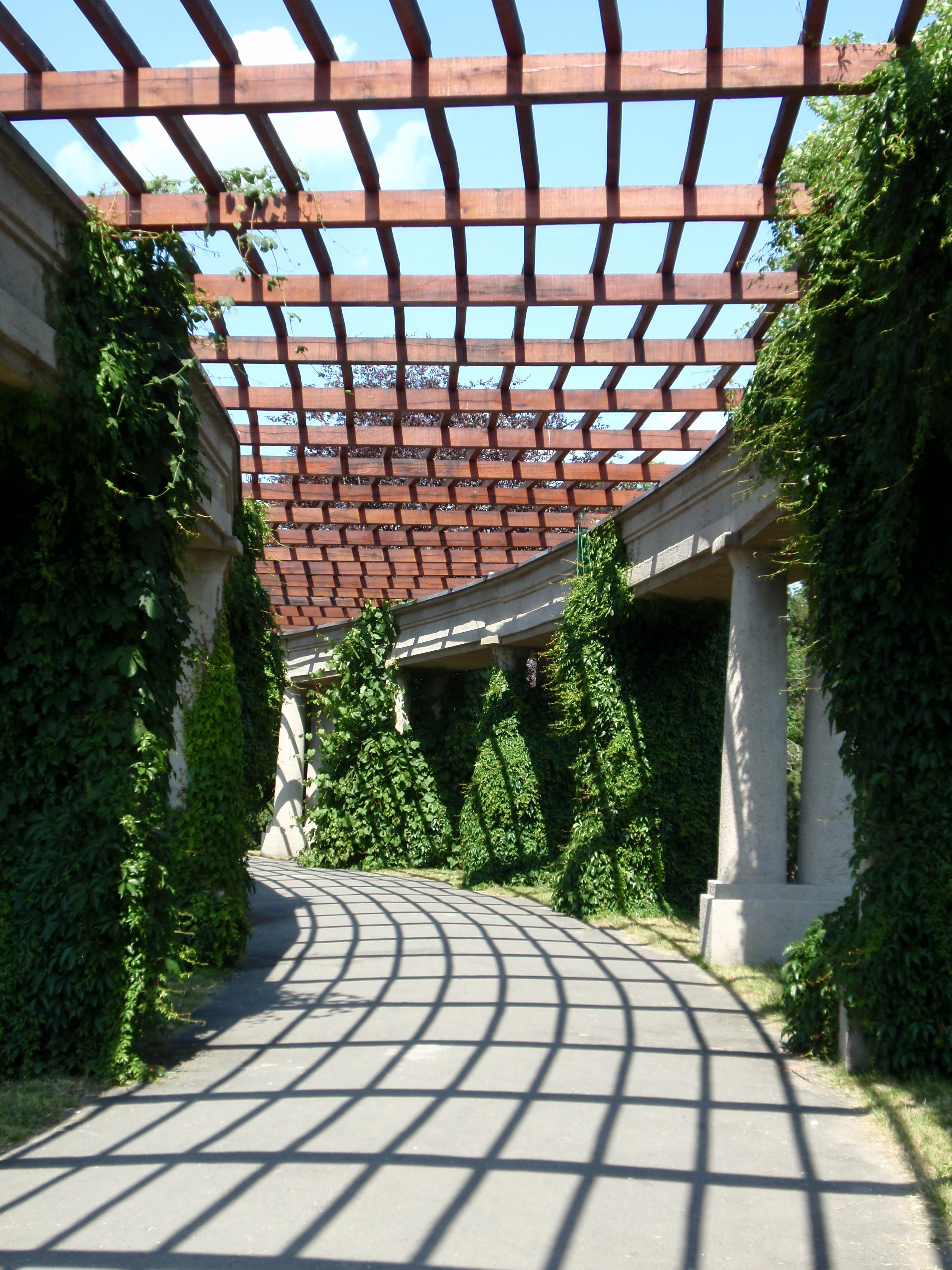
Visual Reference

Furniture Arrangement
Positioning garden furniture relative to shade sources and walking paths affects both comfort and visual coherence of the space.

Dining Area
A defined dining area within a terrace benefits from at least 150 × 200 cm of clear paving around the table for chair movement.

Resting Spots
Fixed benches integrated into a garden wall or planter reduce clutter and provide stable seating without floor-space overhead.
Questions about specific materials, planning rules, or structural options for a terrace or veranda project in Poland.